Still Standing
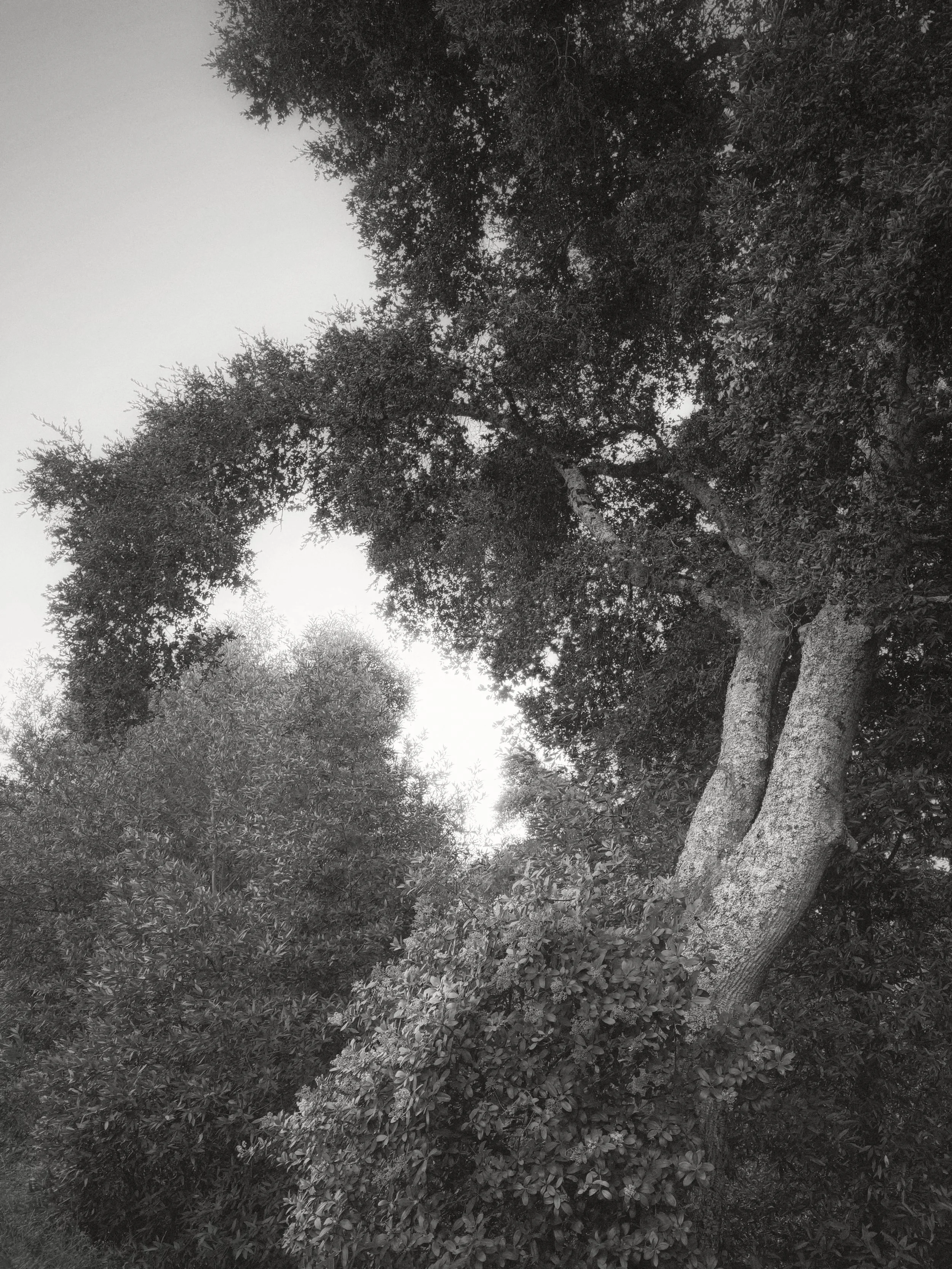
two trunks

branches reaching
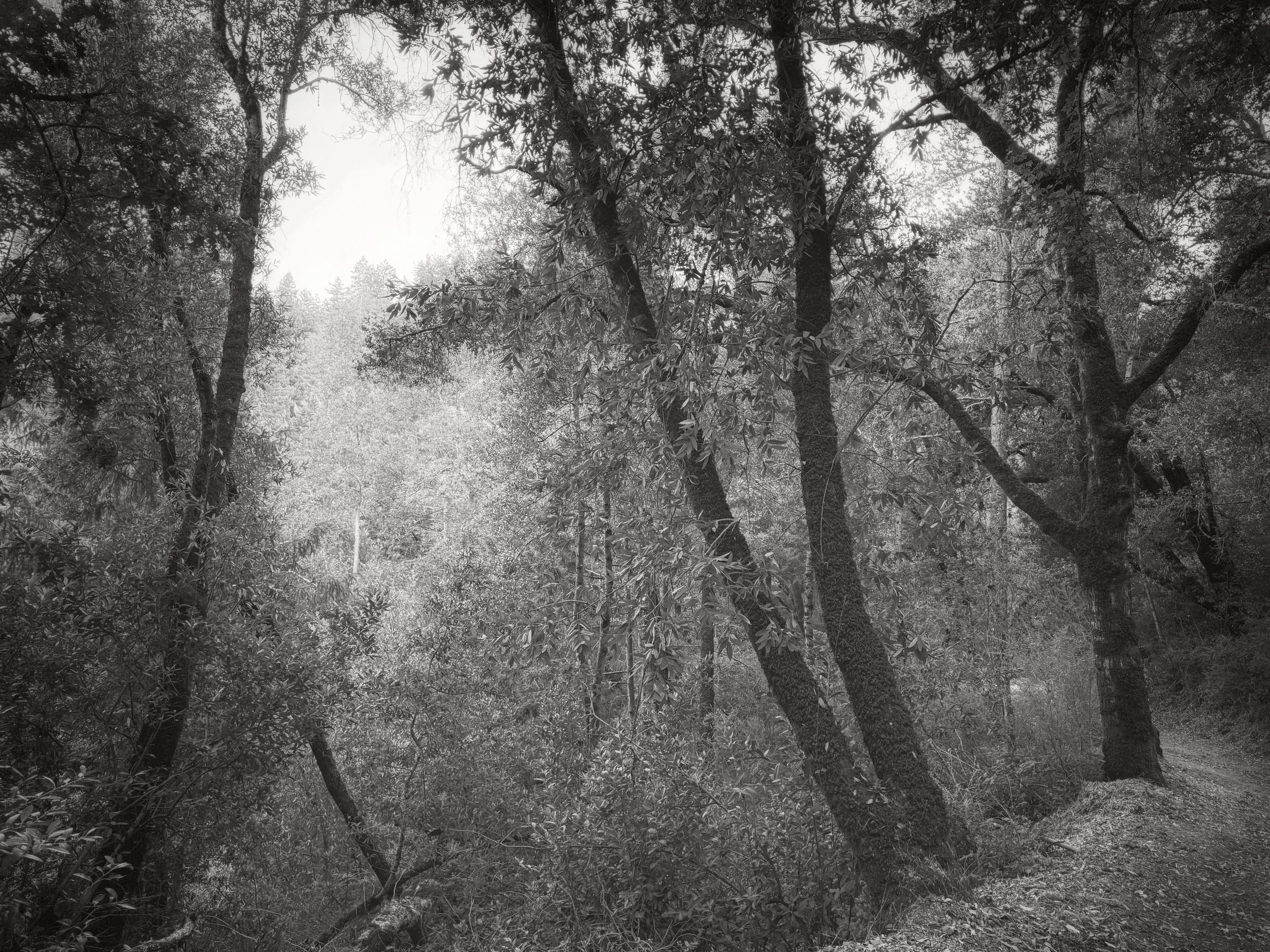
gathering
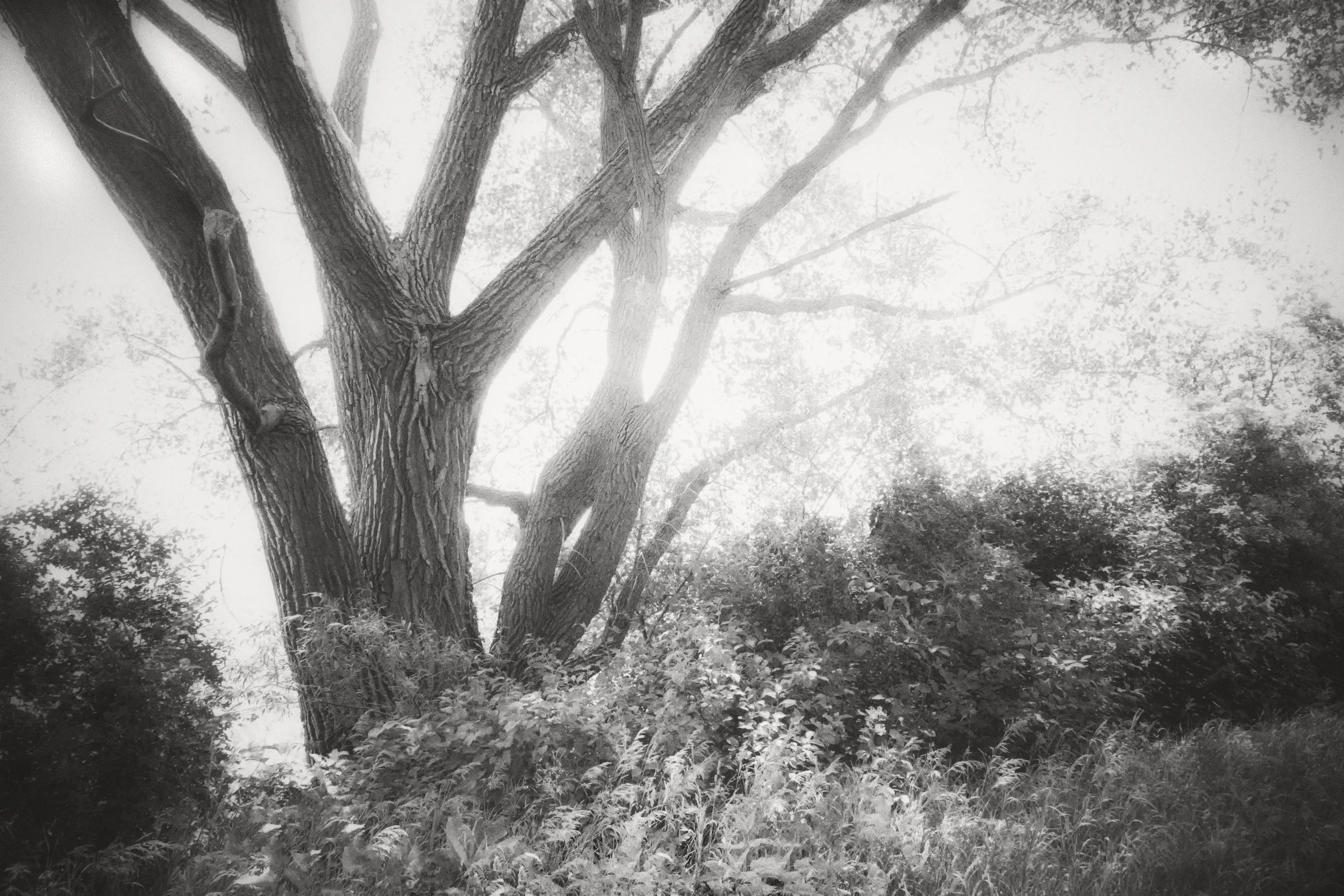
old oak
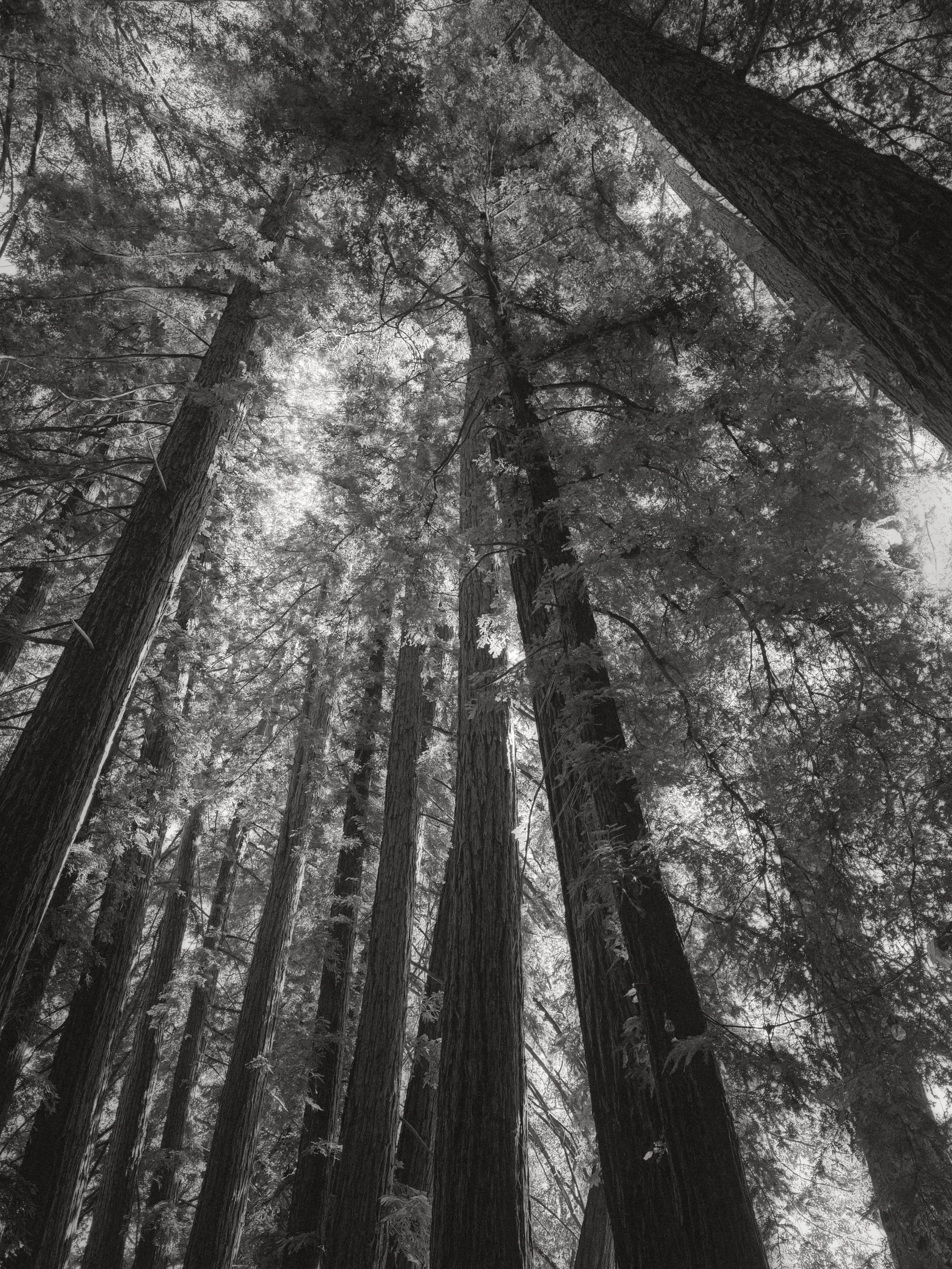
cedar
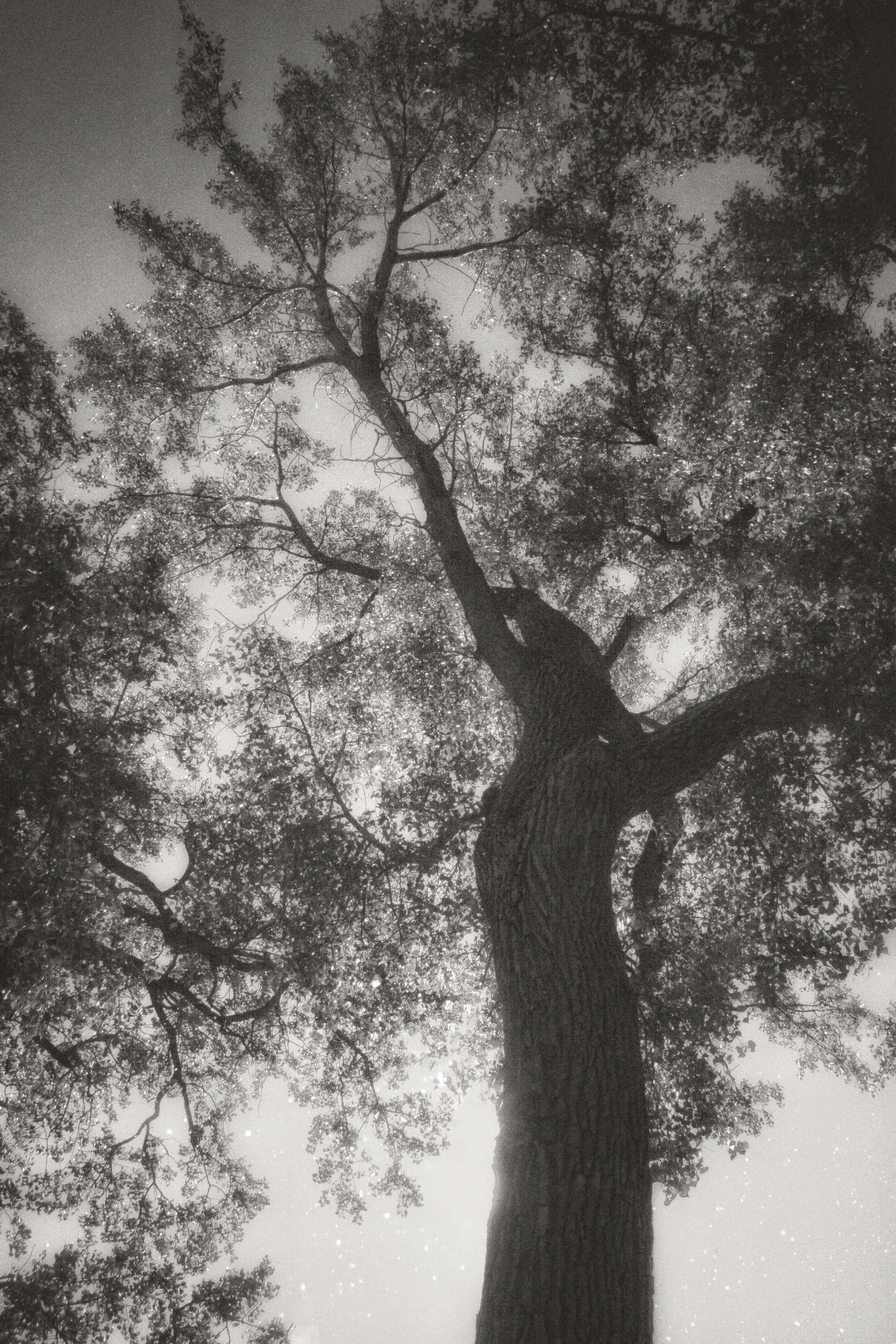
cottonwood
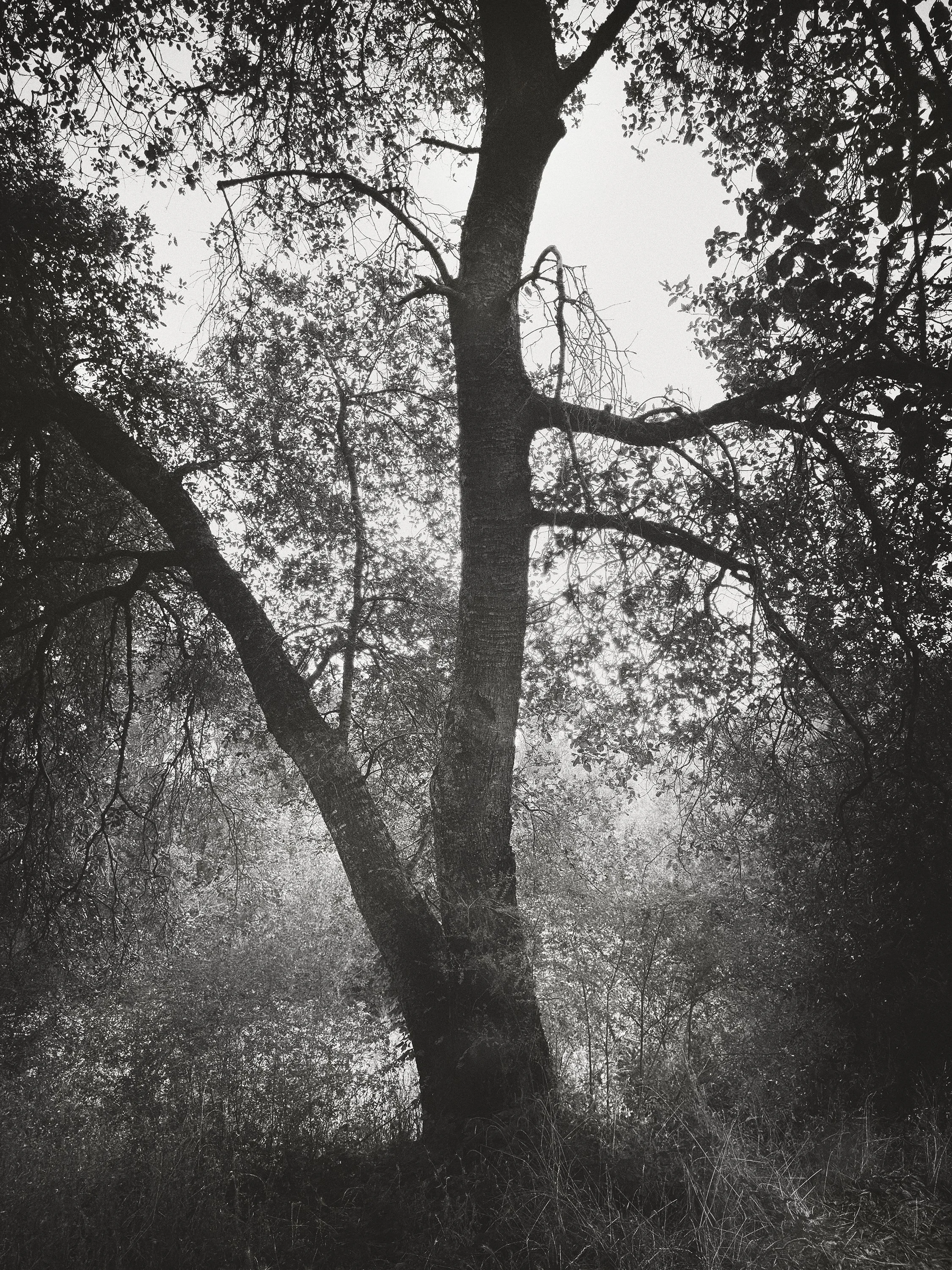
V-shape
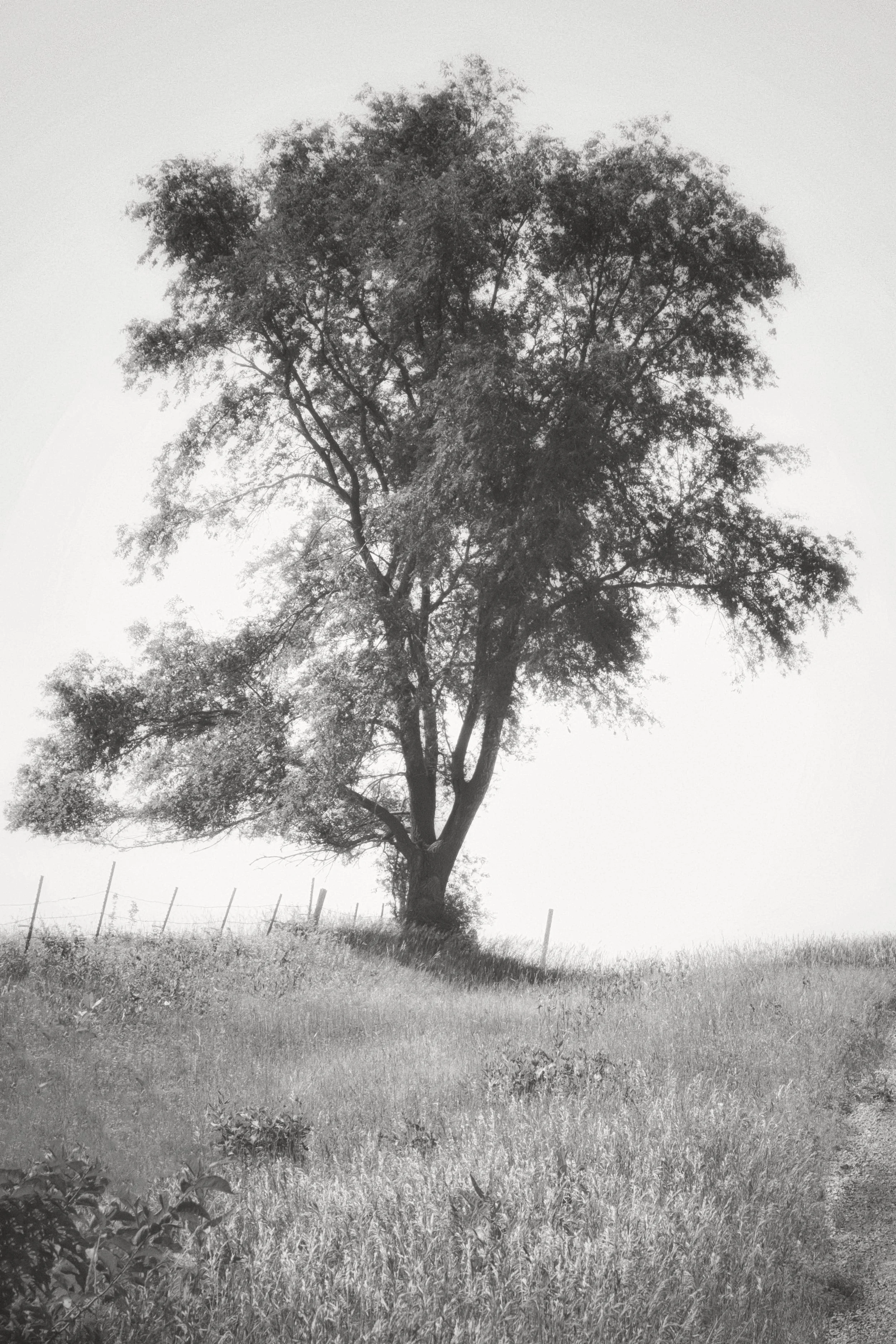
farm tree
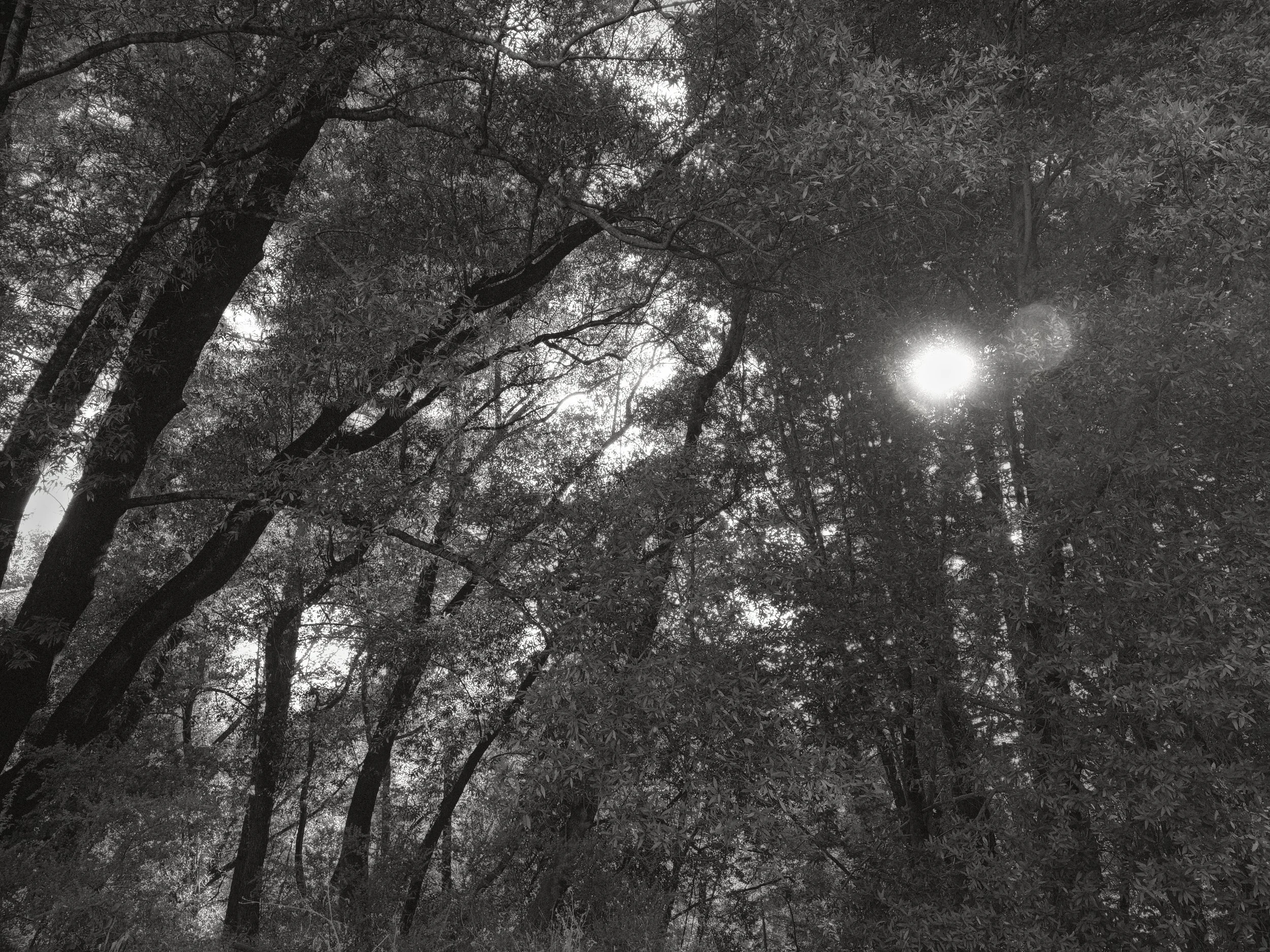
forest and sun
Trees have always been a place of refuge for me. On the plains of southern Minnesota where I grew up, the sky is immense and the farmland stretches outward in every direction. Interrupting this expanse are small, dark stands of trees. In summer, these groves offer shade and shelter to all kinds of life. In winter, they break the wind and hold back the snow. I gravitated toward them in every season. There was solitude there, and solace. In their company, I belonged.
This body of work is a grove of my own making: photographs of trees rooted in the places my ancestors once lived. For those of us who grow up queer, our ancestry also includes elders to whom we are not related by blood. They are the ones who lived and loved before us and who, by doing so, helped create space in the world for those who came after. For us. That we are living in a time when this care is being eroded makes the grove even more of a balm. It slowly grows as I make new images and revisit older ones. I slowly grow as well, into the ancestor I will one day be.

“The trees made the past seem within reach in a way nothing else could: here were living things that had been planted and tended by a living being who was gone, but the trees that had been alive in her lifetime were in ours and might be after we were gone.”
—Rebecca Solnit